Compiled by CleanerContracts from the sources listed below, checked on 5 November 2026. We sell the templates linked on this page.
How to get cleaning clients in the UK: domestic, commercial and end of tenancy work
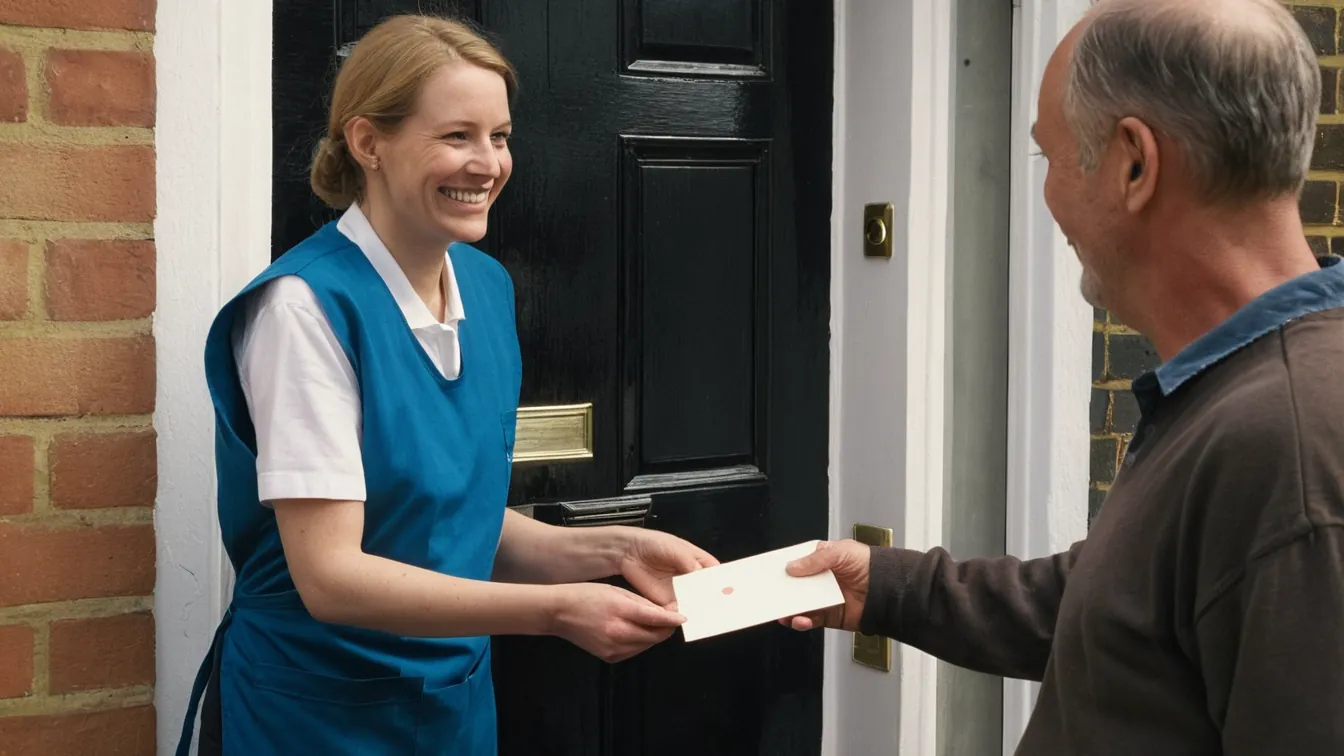
The most reliable way for a UK cleaner to get clients is to be easy to find and easy to trust locally: a free Google Business Profile, a few written reviews, word of mouth from existing clients, and direct contact with letting agents and small businesses near you. Lead sites such as Bark can fill gaps while you build up, but they charge per lead, so work out what a client is worth before you pay for one.
Start with the clients you can reach for free
Before you spend anything, tell the people around you. Friends, family, neighbours and former colleagues are the quickest first clients, and each regular client is worth far more than a one-off job. Ask every happy client directly whether they know anyone else who needs a cleaner, and make it easy by leaving a small card or sending a short message they can forward.
Keep a simple record of where each enquiry came from. After a few months it shows you which routes bring regular, reasonably priced work and which only bring price shoppers.
- Ask for a referral after the second or third clean, once the client has seen your standard
- Offer a clear, fair thank-you for referrals, such as a discount on their next clean
- Ask for a short written review the same week you finish a good job
- Reply to every enquiry the same day, even if it is only to say when you can quote
Set up a Google Business Profile
A Business Profile lets customers find you on Google Search and Maps, and Google says you can add or claim one at no charge. You choose how your business details appear, including your service area, which suits cleaners who travel to clients rather than receiving visitors.
Google's guidelines ask for your real business name as it is known to customers, an accurate address or service area, and as few categories as it takes to describe your core business. Keep to one profile per business. Add clear photos of your equipment and finished work, but never photos of a client's home without permission.
Where cleaners find work, compared
Each route suits a different kind of work. The table sets out what to expect from each, without figures that vary by area.
| Route | Cost to you | Best for | Watch out for |
|---|---|---|---|
| Referrals and word of mouth | Free, apart from a thank-you | Regular domestic clients | Slow to start, so combine with other routes |
| Google Business Profile | Free to add or claim | Local searches such as cleaner near me | Needs accurate details and a steady flow of reviews |
| Letting agents and landlords | Free, but you may need to quote competitively | End of tenancy and between-tenant cleans | Agents often want fixed prices, insurance and quick turnaround |
| Local businesses, surgeries, offices and shops | Free, plus your time visiting | Regular commercial contracts | Expect to be asked for insurance and a written agreement |
| Lead sites such as Bark | Credits spent per lead you respond to | Filling gaps while you build up | Several cleaners may respond to the same enquiry |
| Local leaflets and community groups | Print costs | Reaching one neighbourhood at a time | Keep to one area to cut travel between jobs |
What lead sites cost
Bark says professionals pay per lead using credits rather than commission. According to its professionals pricing page, joining is free and leads are free to view, you buy a pack of credits and spend them to contact customers, credits expire after three months, and the number of credits a lead costs is shown before you respond. Bark does not publish a pound price per credit on that page, so check the current price when you sign up.
Because you pay whether or not you win the job, work out the value of a regular client first. A weekly client who stays for a year is worth many times the cost of the lead that found them, while a one-off job may not cover it. Respond fast and with a specific, friendly message, because the customer may hear from several cleaners.
Winning end of tenancy work through letting agents
End of tenancy cleans come from tenants moving out and from landlords and letting agents preparing a property for the next tenant. Agents usually want a reliable cleaner they can call at short notice, so introduce yourself by email or in person, send a short price list and say what areas you cover and how quickly you can quote.
Tenants cannot be required to pay for a professional clean, but they do need to return the property to the standard recorded at check-in, according to Bark's end of tenancy guide, which refers to the Tenant Fees Act 2019. Many tenants therefore book a clean to protect their deposit, and a before-and-after photo record and a signed sign-off sheet help if a landlord or tenant disputes the result.
Commercial clients and contracts
Small offices, shops, clinics and holiday lets often prefer one reliable cleaner to an agency. Walk in, ask who looks after cleaning, and leave a short written quote. Agree the scope, days, access arrangements and notice period in writing before you start, and tell your insurer if you will hold keys or work out of hours.
Our guide to cleaning business insurance explains the cover commercial clients tend to ask about, and how much to charge for cleaning helps you price a regular contract without undercutting yourself.
Get the free Cleaning Client Enquiry Tracker: 12 questions and a signed declaration, emailed to you as a print-ready form.
Free template
Get the print-ready Cleaning Client Enquiry Tracker
A print-ready tracker for logging every enquiry, where it came from, what you quoted and whether you won it, so you can see which routes are worth your time. Free, and yours to keep.
Frequently asked questions
How do I get my first cleaning clients?
Tell people you know, ask for referrals, set up a free Google Business Profile and contact local letting agents and small businesses. Reply to every enquiry quickly and keep a record of where each one came from.
Is a Google Business Profile free?
Google says you can add or claim a Business Profile at no charge. It helps customers find you on Search and Maps, and cleaners can show a service area instead of a public address.
Is Bark worth it for cleaners?
It depends on what a client is worth to you. Bark charges credits per lead rather than commission, and you pay whether or not you win the job, so it suits regular work better than one-off jobs that barely cover the cost.
How do I get end of tenancy cleaning work?
Introduce yourself to local letting agents and landlords with a short price list, and make yourself easy to book at short notice. Tenants also book directly, often to protect their deposit.
Do commercial clients need a written contract?
It is strongly advisable. A written agreement covering scope, days, access, notice and payment avoids disputes, and many commercial clients will ask for one along with proof of insurance.
Sources
- Add or claim your Business Profile, Google Business Profile Help
- Guidelines for representing your business on Google, Google Business Profile Help
- Bark pricing for professionals, Bark
- End-of-tenancy cleaning prices in the UK: 2026 cost guide, Bark
- Tenancy deposit protection, GOV.UK
- Register for Self Assessment if you are self-employed, GOV.UK
Get paid. Keep your keys. Stay protected.
Service terms, key-holding and cancellation rules signed before the first clean, so a dispute is settled by what you both agreed.
A cleaning business clients trust with their keys.
These articles are general guidance for UK self-employed cleaners and small cleaning businesses, not legal or tax advice. Our forms are editable templates and a starting point: adapt them to your own jobs, your insurer's terms and your clients' requirements.